
All hobbies › Soba Shop Hopping
Soba Shop Hopping 蕎麦屋めぐり
A hobby where you visit soba (buckwheat noodle) shops around the country and enjoy differences in aroma, dipping sauce, and how the noodles are made.
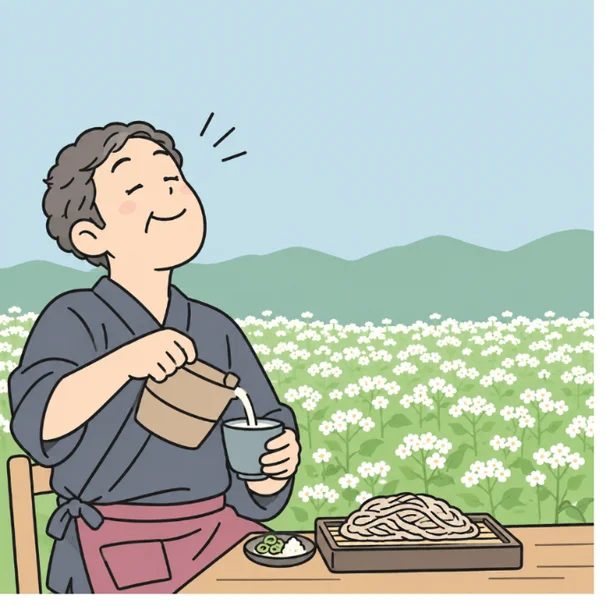
- Cost
- ¥800 to ¥2,500 per visit
- Time
- 1 hour, twice a month
- First step
- Compare cold mori soba at nearby shops
Why people love soba shop hopping
With soba, it is said that connoisseurs take the first bite with nothing on it, to check the aroma and sweetness. The coarseness of the milled buckwheat changes the color and aroma. Sarashina soba is white and delicate, while inaka (country-style) soba is dark and strong. The dipping sauce also differs from shop to shop, and the sweet-and-salty balance of the base (kaeshi) and the strength of the broth show the owner's thinking. At the end, a pot of soba-yu (the water the noodles were boiled in) comes out. When you add it to the sauce and drink it, your body warms up gently. A plate of mori soba costs about ¥1,000, so it's easy to compare each shop's character one bowl at a time. Even with the same mori soba, the thickness, color, aroma, and sweetness of the sauce differ by shop, so every bowl is a discovery.
How to start
- Find three soba shops nearby and check their opening hours
- Choose a shop and pick a quiet time at lunch
- Order mori soba (cold noodles on a tray) and eat the first bite without any sauce
What you need
- Must have: Money and basic chopstick skills
- Nice to have: A notebook, some knowledge of soba types, photos
- Not needed at first: Expensive soba-making tools
From beginner to advanced
- BeginnerA few thousand yen a month
Next challenge: Can't tell the differences or put the taste into words
- IntermediateAbout ¥10,000 a month
Next challenge: Finding hand-made soba shops takes effort
- AdvancedFrom ¥100,000 a year
Next challenge: Researching the growing region and the flour blend
Tips
- At first, order just one plate of mori soba and compare shops. Eating the same dish makes the differences in the aroma of the flour and the sauce stand out. Try the condiments after that.
- Write one line about each shop you visit and what you thought. As words like "sweet sauce" or "strong aroma" build up, your ability to describe taste grows. You can write it on your phone.
- If a shop serves soba-yu, always ask for it at the end. The thickness differs by shop, and that last cup is a clue to the shop's character. Compare the thickness of the soba-yu, too.
FAQ
What age can eat soba?
Small children can eat it too. Soba allergies can be severe, so always check before you give it to a child.
I'm worried about a soba allergy.
Soba can cause severe allergic reactions. If you have symptoms, don't eat it, and also stay away from shops that boil other foods in the same water.
Can I go in alone?
Yes. Many soba shop customers eat alone, and there are counter seats and small tables, so you can eat quickly and leave.
Does it cost a lot?
A plate of mori soba is about ¥800 to ¥1,500. At famous hand-made shops, it can be ¥1,500 to ¥2,500.
Is there an order to eat in?
Order mori soba first and check the flavor of the condiments and the sauce. Then add tempura or other items. You'll taste the true flavor of soba.
Similar hobbies
Costs and steps are typical examples in Japan and can vary. 日本語のページ